An assessment isn’t a test—at least, we don’t think of it that way.
When families hear the term “senior living assessment,” it can sound formal, intimidating, or even stressful. But at Edgewood, an assessment is simply a conversation. It’s a chance to get to know one another, build trust, and understand how we can best support someone’s daily life—now and in the future.
Rather than checking boxes or passing judgment, our goal is to listen. We want families to feel comfortable, understood, and confident as they explore senior living.

At Edgewood, assessments are often led by experienced clinical leaders. Clinical Services Director, Kale Swensen from Edgewood in Fargo, describes it best:
Assessments are a great way to build rapport and a relationship with a resident and family before admission. It's very casual. We’re just trying to learn about them and what they may need currently in terms of assistance, as well as what we could also offer in the future.
This relaxed approach helps take the pressure off. There are no right or wrong answers—just an open conversation about everyday life.
And sometimes, that conversation becomes even more personal.
The funny thing about assessments is that you might end up meeting someone you’re already familiar with! Kale often sees how personal these assessments can be.
I like to say that North Dakota is like seven degrees of separation…by the end of the assessment, there is always a connection, whether that is where they are from and who I may know, or where I was born and raised and who they may know! It really is a running joke here at Edgewood in Fargo that by the time I come back from the assessment, I will know this resident or a member of their family!
One assessment stood out in a particularly special way.
When I saw the name for one assessment, I thought it sounded familiar. Once I arrived at her home, I quickly understood why. She was from my hometown, which had about 250 people. She and her husband were close friends with my grandparents, and her son was even my T-ball coach when I was young. That’s what makes North Dakota so special—and why I truly enjoy doing these assessments.
Stories like this are a reminder that assessments aren’t clinical checklists—they’re human moments built on shared experiences and trust.
Think of the assessment as a guided conversation about daily life. The care team may ask gentle questions about routines, preferences, and comfort levels. These topics help us understand how someone lives today and where support could make life easier.
You may talk about things like:
The conversation may naturally include:
Some questions focus on overall well-being, such as:
A brief memory screening, like the St. Louis University Mental Status Examination (SLUMS), is often part of the visit, helping guide supportive care—not label or define someone.
You may also discuss:
At Edgewood in Fargo, outpatient therapies and primary care are available on-site, offering convenient care options right where residents live.
Senior living is about more than care—it’s about connection. That’s why assessments often include conversations about:
Every journey and assessment looks a little different, but support can make all the difference. Whenever the time feels right, we’d love the opportunity to meet your loved one and be part of their story.
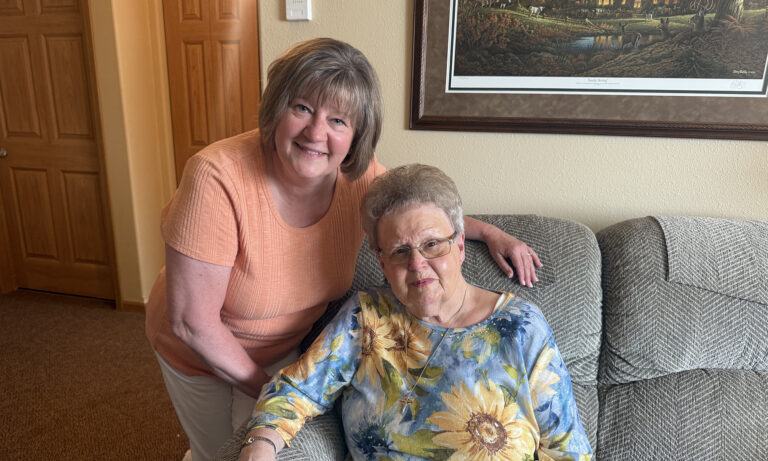
After a serious fall changed everything, Colleen and her family found more than senior living; they found a supportive community, coordinated care, and a place she could call home again.
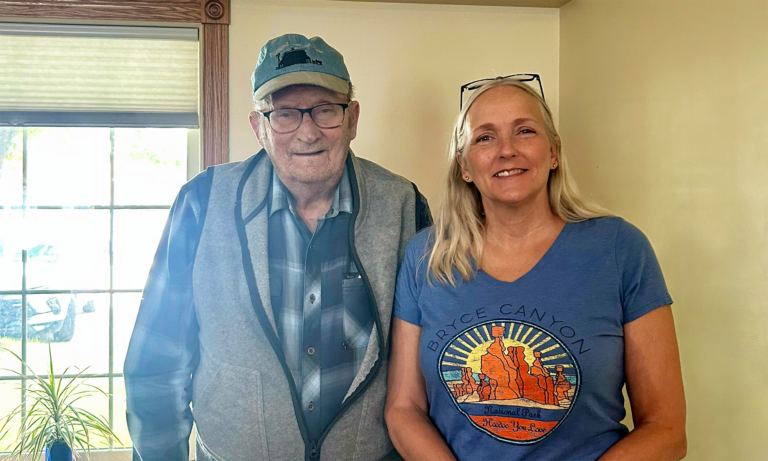
Cathy didn’t become a caregiver overnight it happened gradually through missed details, quiet worries, and a sudden realization about safety. Read her moving story about navigating her father’s dementia journey, finding hope at Edgewood Memory Care, and why asking for support isn’t giving up.
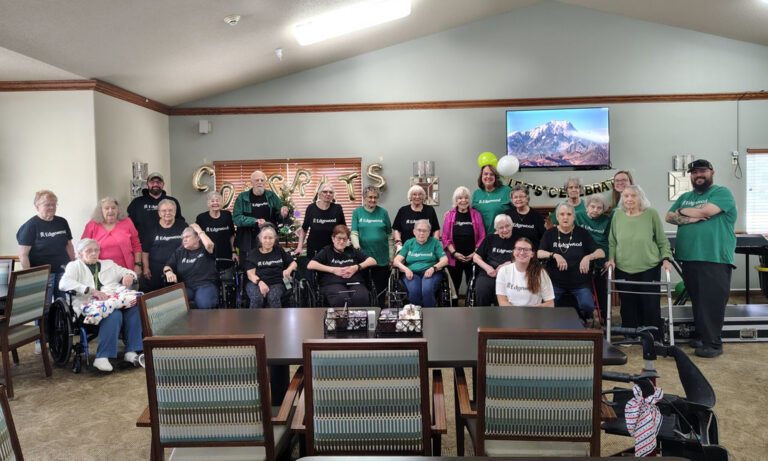
At Edgewood Sioux Falls Memory Care, a simple art activity brought residents, caregivers, and team members together in a shared moment of connection. Each fingerprint became part of a collective work that reflected presence, purpose, and belonging. The project went on to earn first place at the SDAHO Art Contest, but its true meaning was found in the experience of creating it together.
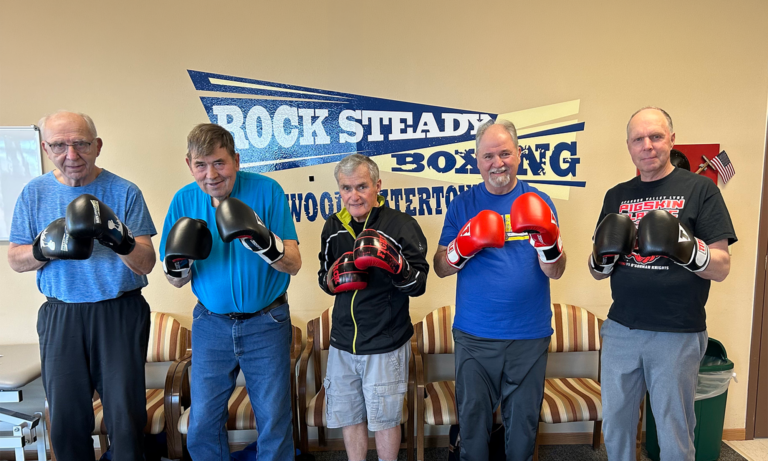
Rock Steady Boxing for Parkinson’s helps individuals build strength, balance, and confidence through movement while fostering connection and community.