Cathy can’t point to a single moment when she became a caregiver.
There wasn’t a diagnosis that changed everything overnight. There was no phone call, no hospital stay, and no single event that divided life into a clear before and after.
Instead, it happened gradually through a fall that seemed like bad luck, conversations that became increasingly repetitive, and doctors’ appointments where information needed to be explained more than once.
As the changes became harder to ignore, Cathy found herself stepping into a new role. Without realizing it, the daughter was becoming the caregiver.
Get Personalized Guidance
Most families do not recognize dementia caregiving right away.
It does not begin with a diagnosis. It begins with worry.
For Cathy, it showed up in everyday life. At sporting events, she was not only watching the game. She was watching her parents. She noticed the stairs, the crowd, and the distance between seats and exits. She was always thinking about safety.
At family gatherings, she was never fully present. Part of her attention was always elsewhere, quietly planning and adjusting.
Over time, caregiving stopped feeling like a task.
It became her daily way of thinking and living.
When Safety Changes the Conversation
One moment stands out.
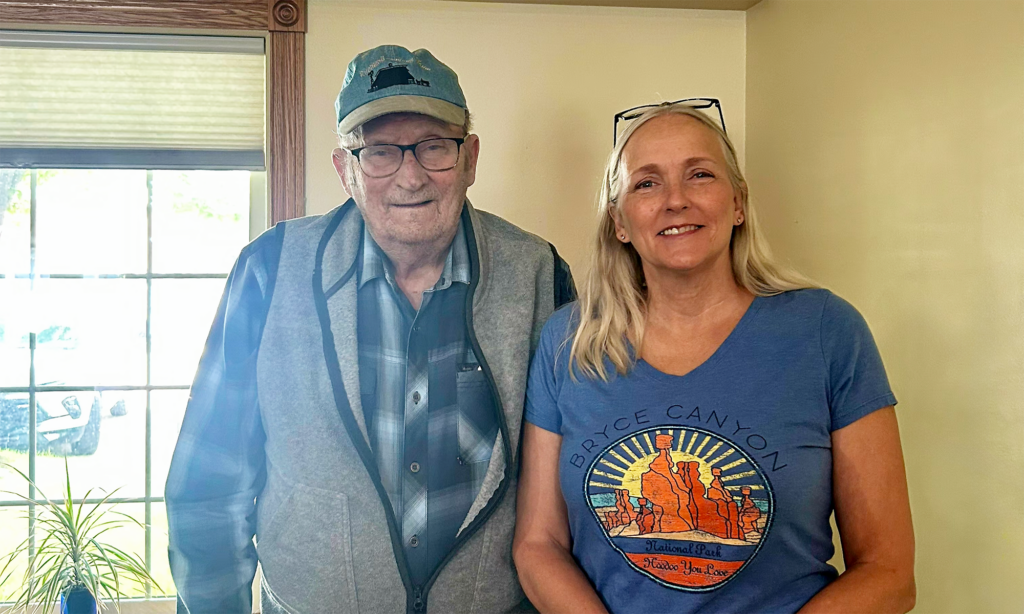
While Cathy and her mother were quilting at church just down the road from home, her father, Stanley, left the house and walked to a nearby convenience store.
He wasn’t upset or frightened. He had simply decided to go.
For Cathy, it changed everything. This gentle, unplanned outing was a clear example of wandering in dementia, often one of the first signs that families recognize that safety needs to be reconsidered.
Safety could no longer depend on routine or familiarity. As falls increased and memory loss progressed, the family reached a difficult realization: love alone wasn’t enough to keep him safe at home.
They were now facing one of the hardest decisions in dementia caregiving as additional support became necessary. Over time, they also began seeking dementia caregiver support to help carry the weight of constant vigilance.
"He's still Dad."
Today, Stanley lives in Edgewood East Grand Forks Memory Care. Edgewood in East Grand Forks is designed specifically for individuals living with Alzheimer’s disease and other forms of dementia. Through specialized training, personalized support, and a familiar daily rhythm, our team creates a sense of comfort, confidence, and belonging. At its heart, memory care is about helping each resident remain known as the person, they’ve always been. In East Grand Forks, our community has made that mission.
Dementia has changed many things, but it hasn’t changed everything.
Stanley still enjoys puzzles, likes figuring things out for himself, and has opinions, preferences, and a wonderful sense of humor.
Most importantly, as Cathy says, “He’s still Dad.” That is something she continues to see every day.
Legacy Medical Nurse Practitioner McKenzie Disrud sees it every day at Edgewood East Grand Forks: residents don’t simply receive care, they continue participating in life.
Safety matters. But so does seeing a loved one continue to experience joy, connection, and purpose.
Every Wednesday, Stanley arrives for lunch around the same time. If he’s late, the staff notice. Not because they’re following a checklist, but because they know him.

They're still having conversations, still engaging in activities, still sharing moments with staff and each other, Each resident truly has their own personality, and those personalities are genuinely celebrated.
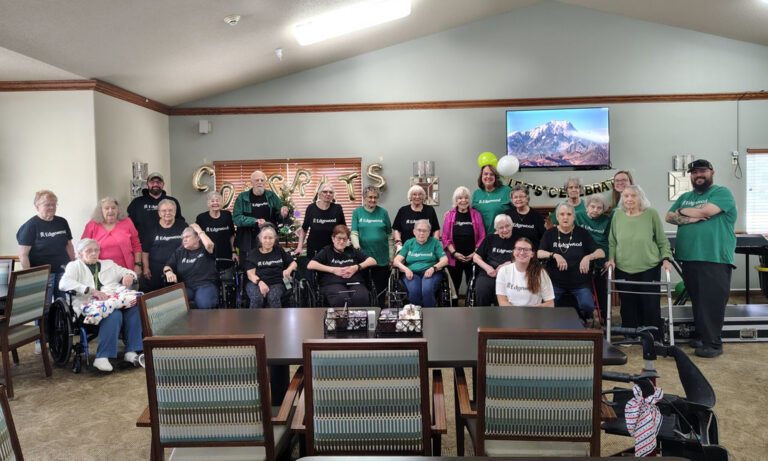
The Alzheimer’s Association’s Longest Day, held each year, honors those living with Alzheimer’s disease and other forms of dementia while raising awareness for the challenges families face every day.
For caregivers like Cathy, the name feels fitting.
Dementia isn’t a difficult day. It’s years of appointments, decisions, adjustments, and quiet acts of love. It’s years of showing up for someone you care about, even when the road becomes difficult.
Across Edgewood Healthcare communities, nearly 1,200 residents are living with Alzheimer’s disease or other forms of dementia. Behind every resident is a family navigating a journey of their own. For those learning how to care for someone with Alzheimer’s at home, community awareness and practical caregiver tips can make everyday life safer and more predictable.
The Longest Day shines a light on those journeys. It recognizes the caregivers who quietly carry responsibilities others may never fully see and honors the individuals whose identities remain far greater than a diagnosis.

What Cathy Wants Other Families to Know
When asked what she would do differently, Cathy doesn’t hesitate.
“I would have brought in support earlier.”
Like many family caregivers, she tried to carry everything herself for as long as possible. What she learned is simple: asking for help isn’t giving up. It’s making the journey sustainable.
Even knowing how difficult the road became, Cathy says she would do it all again.
If you’re feeling the weight of caregiving, you don’t have to navigate it alone. Edgewood Healthcare is here to support residents and families living with Alzheimer’s disease and other forms of dementia every step of the journey. Contact us at info@edgewoodhealthcare.com.
They're my mom and dad.
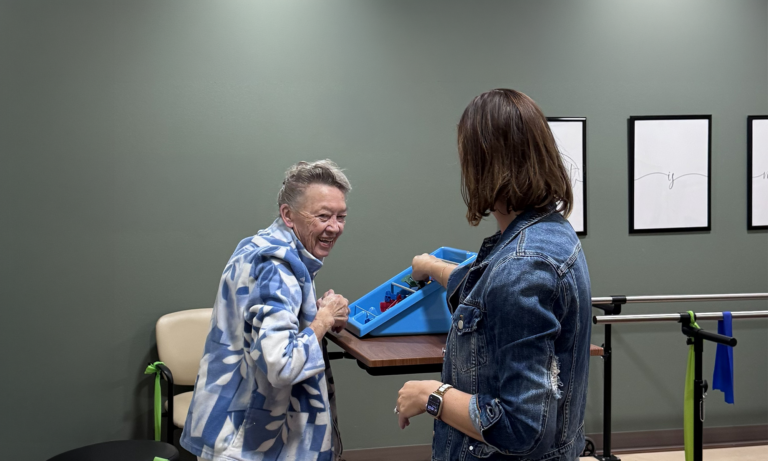
Discover how Edgewood Mitchell Assisted Living independence comes to life through personalized therapy, innovative technology, and compassionate care. Velma’s story shows how the right support helps residents stay active, confident, and connected to the things they love.
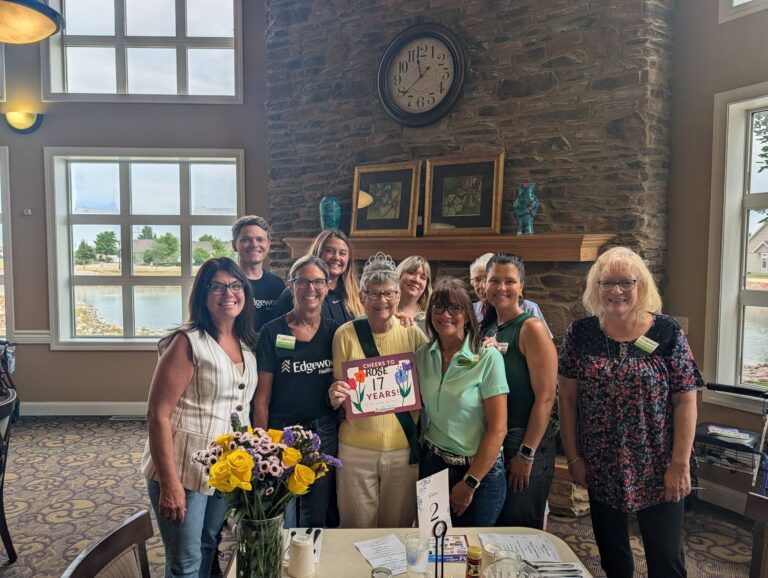
After 17 years at Edgewood, Rose and Elvin’s story shows how the right senior living options can help couples navigate changing needs, stay connected, and continue living life on their own terms.
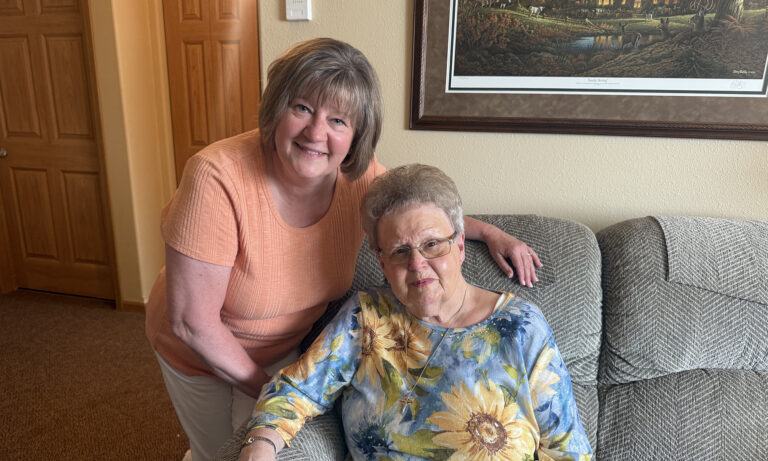
After a serious fall changed everything, Colleen and her family found more than senior living; they found a supportive community, coordinated care, and a place she could call home again.
At Edgewood Sioux Falls Memory Care, a simple art activity brought residents, caregivers, and team members together in a shared moment of connection. Each fingerprint became part of a collective work that reflected presence, purpose, and belonging. The project went on to earn first place at the SDAHO Art Contest, but its true meaning was found in the experience of creating it together.