Memory care is designed for individuals living with Alzheimer’s disease or other forms of dementia, conditions that affect not only memory, but also behavior, communication, and emotional responses. Memory care isn’t about taking over; it’s about adapting care to meet someone where they are.
It’s a shift from:
You’re not alone, and you’re in the right place.
What may look like resistance, aggression, or withdrawal is often a form of communication.
For example:
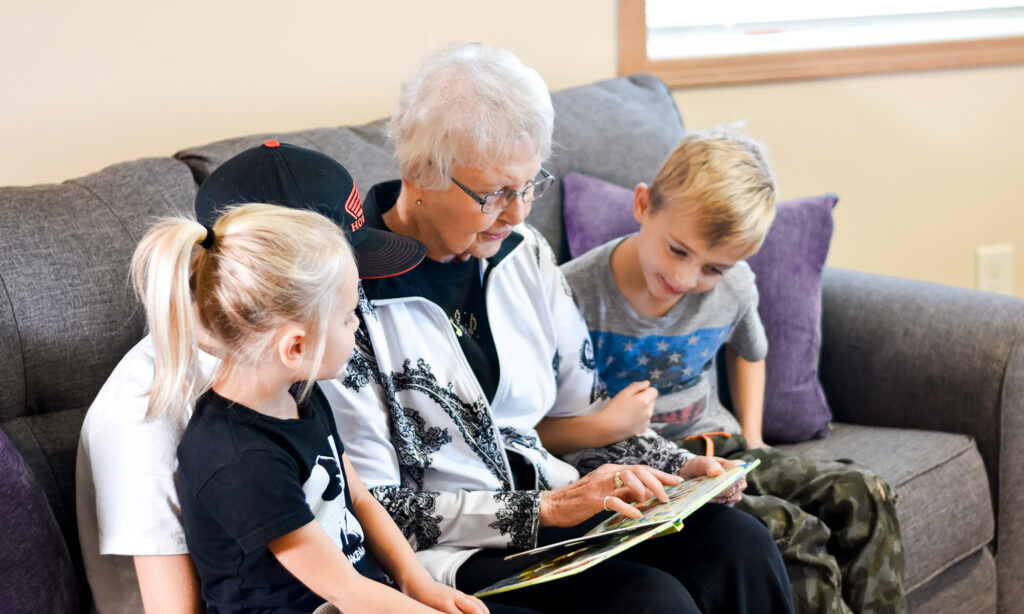
Caring for someone with dementia requires a different approach than traditional caregiving. At Edgewood, we are proud to provide specialized training to our caregivers. We pride ourselves on an approach that recognizes that individuals are not “losing themselves,” but experiencing the world differently and deserve to be met where they are.
Our approach focuses on:
Memory care is specialized care designed for individuals living with Alzheimer’s disease, dementia, or other forms of cognitive decline.
Edgewood memory care communities provide a supportive environment with personalized care, structured routines, Wellness and Enrichment activities, and team members trained to understand the unique needs of residents living with memory loss.
Memory care provides specialized 24/7 support for residents whose cognitive needs require a different environment than traditional assisted living.
Edgewood memory care communities are thoughtfully designed as smaller, secured spaces that reduce the anxiety of wide-open areas. They focus on dementia-specific support, personalized routines, and activities that promote safety, comfort, connection, and quality of life.
Dementia is a general term used to describe changes in memory, thinking, and reasoning that are significant enough to impact daily life.
Alzheimer’s disease is the most common form of dementia. Other types may include vascular dementia, Lewy body dementia, and Parkinson’s-related dementia.
Alzheimer’s disease is the most common form of dementia. It affects memory, thinking, and behavior, and symptoms typically progress over time.
Edgewood provides supportive memory care environments designed to help residents experience meaningful moments while receiving the personalized support they need.
Families often begin considering memory care when memory changes begin affecting safety, daily routines, personal care, or overall quality of life.
Choosing memory care is a personal decision. The Edgewood team can help families understand options and determine what level of support best meets their loved one’s needs.
Wellness and enrichment activities in memory care are designed to encourage connection, purpose, and enjoyment.
Residents may participate in music, creative activities, movement, social opportunities, familiar routines, and personalized experiences based on their interests and abilities.
Whether you’re just starting to notice changes or you’ve been caregiving for a while, it’s okay to ask questions and explore your options.